

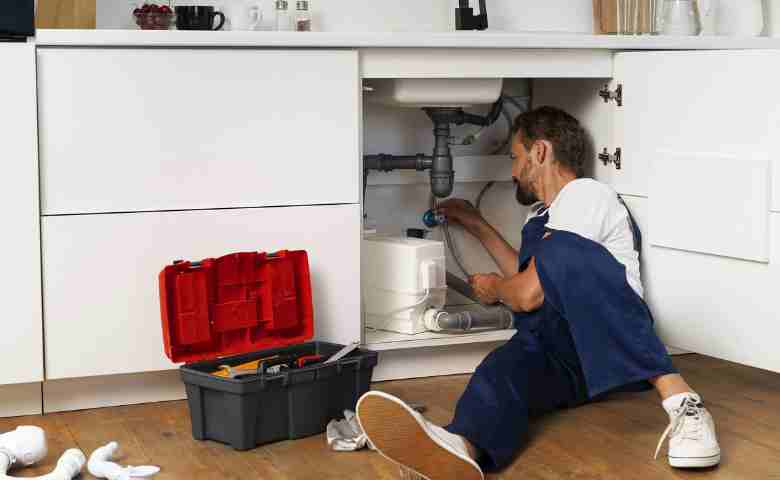
Major plumbing work can involve opening walls, replacing long sections of pipe, repairing underground lines, or making significant changes to water and drainage systems. Because these projects can affect several areas of a property, a professional plumber generally performs a detailed evaluation before recommending extensive repairs.
A thorough inspection helps determine whether a large project is actually necessary. It also allows the plumber to identify the source of the problem rather than simply addressing the most visible symptom. Several parts of a plumbing system may be examined before a final recommendation is made.
Overall Condition Of The Plumbing System
One of the first considerations is the general condition of the existing plumbing. A plumber may look at accessible pipes, fixtures, connections, valves, drains, and other components to understand how well the system is functioning.
The age of the property can provide useful context, but age alone does not determine whether replacement is required. Some older systems remain functional because they have been properly maintained, while relatively newer plumbing can develop problems because of installation issues, environmental conditions, or heavy use.
A licensed plumber Houston property owners contact may therefore consider both the visible condition of the system and its performance before suggesting substantial plumbing work.
Signs Of Active Or Hidden Leaks
Leaks are another important part of the evaluation. Obvious dripping is easy to identify, but water can also escape from pipes located behind walls, beneath floors, or in other concealed spaces.
Professionals may investigate unexplained increases in water consumption, moisture marks, unusual sounds, reduced water pressure, or areas where building materials remain damp. Determining the location and extent of a leak is essential because a localized repair may be sufficient in some situations.
If several leaks are developing across aging pipes, however, broader repairs may provide a more practical solution than repeatedly fixing individual sections.
Water Pressure Throughout The Property
Water pressure can reveal a surprising amount about plumbing performance. Pressure that is consistently too low may be associated with mineral buildup, restricted pipes, failing valves, leaks, or supply-related problems.
Pressure that is excessively high can also place unnecessary stress on plumbing connections and fixtures. Instead of assuming that the pipes need replacement, a plumber will usually investigate why the pressure has changed.
Testing different points within the property can help determine whether the issue affects one fixture, one section of plumbing, or the entire system.
Drainage And Sewer Performance
Major plumbing recommendations often require careful evaluation of the drainage system. Frequent clogs, slow drainage, unpleasant odors, or wastewater backing up through fixtures may indicate a problem beyond an individual sink or toilet.
A plumber may consider where drainage problems occur and whether several fixtures are affected simultaneously. When necessary, specialized inspection methods can help evaluate sewer pipes for blockages, deterioration, root intrusion, or structural damage.
Understanding the exact condition of the drainage system prevents unnecessary work and allows repairs to focus on the affected area.
Pipe Materials And Existing Connections
Different properties contain different plumbing materials, particularly when repairs or renovations have occurred over several decades. A professional may examine pipe materials and connections to identify corrosion, deterioration, incompatible components, or previous repair work that could influence current performance.
Connections deserve particular attention because leaks frequently develop around joints, fittings, and transitions between different materials. Their condition can help determine whether a targeted repair is reasonable or a larger section should be replaced.
Previous Plumbing Repairs
The repair history of a property can provide valuable clues. A pipe that has required several repairs within a relatively short period may indicate that deterioration extends beyond one damaged point.
Plumbers may also examine older repair areas to see whether they were completed correctly and whether surrounding components remain reliable. Understanding previous work reduces the chance of repeating temporary solutions to an ongoing problem.
Access And Potential Property Disruption
Before recommending major work, plumbers also consider how pipes can be accessed. Plumbing may run beneath floors, inside walls, above ceilings, or underground. The location of the damaged section can influence the repair method considerably.
A professional assessment considers not only what needs to be repaired but also how the work can be completed while limiting unnecessary disruption to the property.
Making A Repair Recommendation Based On Evidence
Major plumbing work should be based on the actual condition of the system rather than assumptions. A detailed inspection of leaks, pressure, drainage, pipe materials, connections, and previous repairs provides the information needed to make an informed decision.
By identifying the underlying cause first, a licensed plumber can determine whether a focused repair, partial replacement, or more extensive plumbing project offers the most appropriate long-term solution.
