

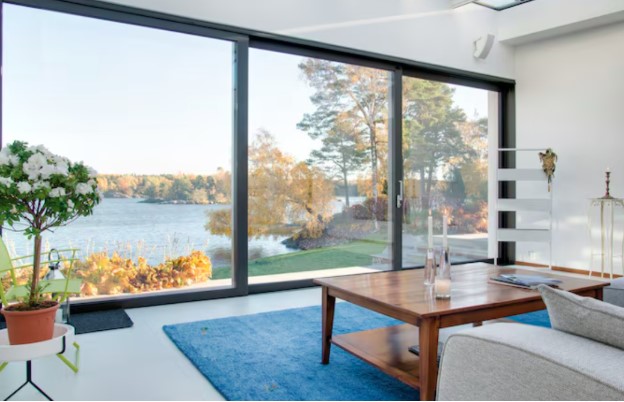
Creating a comfortable home is a continuous process that involves balancing physical elements, environmental controls, and aesthetic touches.
A truly comfortable residence provides a sanctuary where one can escape the pressures of the outside world, offering a perfect climate and a peaceful atmosphere.
Achieving this level of tranquility requires more than just high-end furniture; it necessitates a focus on thermal regulation, light control, and the thoughtful organization of space.
By implementing strategic upgrades, you can transform any living area into a highly functional and cozy retreat that caters to your well-being.
1. Enhancing Thermal Efficiency With Double Glazed Windows
One of the most effective ways to regulate the internal temperature of your home is to address the insulation of your entry points. Investing in high-quality double glazed windows is a transformative step for any residential property.
These specialized glass units feature two panes separated by a layer of insulating gas, which acts as a barrier against external heat and cold.
By installing double glazed windows, you not only keep your home cooler in the summer and warmer in the winter but also significantly reduce external noise pollution, creating a quieter and more peaceful indoor environment.
2. Refining Light Control With Elegant Plantation Shutters
Light management plays a crucial role in the perceived comfort and privacy of a room. To achieve a sophisticated look while gaining precise control over the sunlight entering your home, consider the installation of custom plantation shutters.
These window treatments are prized for their durability and timeless appeal. Unlike traditional blinds, plantation shutters allow you to tilt the louvers to direct light away from screens or eyes while still maintaining airflow.
The sturdy construction of plantation shutters also provides an extra layer of insulation, contributing to the overall energy efficiency and coziness of your living spaces.
3. Investing In Ergonomic And Soft Furnishings
Physical comfort is directly influenced by the quality of the furniture you use daily. Upgrading to ergonomic sofas and chairs that provide proper lumbar support can prevent physical strain and enhance relaxation.
Beyond the structural furniture, the addition of soft textiles like plush rugs, velvet cushions, and weighted blankets introduces a layer of tactile comfort.
These elements soften the hard surfaces of a room and create a warm atmosphere, making the home feel more inviting for residents and guests alike.
4. Optimizing Indoor Air Quality and Ventilation
The quality of the air you breathe significantly impacts your health and overall comfort levels. Ensuring your home has a robust ventilation system prevents the buildup of humidity and allergens.
Utilizing air purifiers with HEPA filters and maintaining clean HVAC ducts can remove dust and pollutants from the air.
Furthermore, introducing indoor plants acts as a natural filtration system, increasing oxygen levels and providing a refreshing, natural scent that makes the indoor environment feel more alive and healthy.
5. Implementing Smart Climate Control Systems
Consistency is key when it comes to domestic comfort. Integrating smart thermostats into your home allows for precise and automated temperature management. These systems can learn your daily routine, adjusting the heat or cooling just before you wake up or return from work.
By maintaining a steady climate, you avoid the discomfort of sudden temperature fluctuations. Smart systems also allow you to control the environment remotely, ensuring your home is always at the perfect temperature the moment you step through the door.