
Integrating Outdoor Workspaces into Functional Modern Backyard Remodels

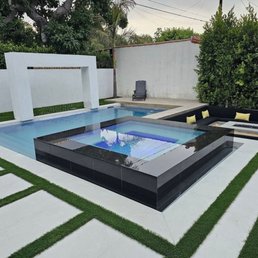
Remote work has altered the way homeowners consider backyard renovations, accelerating demand for durable remote work outdoor solutions. Many homeowners are interested in having a dedicated workspace area in their backyard renovations. This is not a temporary workspace area; these are permanent areas designed for year-round use.
When planning an outdoor workspace in backyard remodels, it should be considered like any other room. It requires electricity, protection from the elements, and sound isolation from the rest of the house. When properly designed, these areas can increase functionality and value.
Why Backyard Office Design Matters
Most homes do not have spare interior space, which is why integrating home offices into outdoor remodels has become a practical planning strategy. An outdoor home office solves this problem, providing natural lighting and a separation from family activity. This solution will only work if it is properly constructed.
The key needs are:
- Quiet space for video calls
- Complimentary power and internet
- Protection from heat, cold, and rain
- Privacy from neighbors and household traffic
Outdoor Home Office Structures
The first decision is what kind of structure to erect. This will depend on budget, climate, and intended use of the structure.
Detached Backyard Studios
These are fully enclosed structures typical of backyard studio construction, with insulation, heating, cooling, and finished interiors. They rest on concrete slabs or pier foundations and resemble small houses. Walls are framed and insulated. Windows are double-hung. Electrical panels are dedicated.
Pergola Workspace Enclosure
A pergola with walls or screens provides shade and protection from the elements without full enclosure. This is suitable for a mild climate and seasonal use. Retractable panels and louver roofs provide more flexibility. However, power and data are still needed
Converted Sheds
Upgrading an existing shed? You can install insulation, new windows, and electricity to make it functional. It’s comparatively cheaper to execute compared to starting from scratch, but it might require some repairs to meet code requirements.
Power and Data Routing Outdoors
When properly designed, an outdoor workspace in backyard remodels can increase functionality and long-term property value. When planning outdoor offices during backyard construction, electricity and internet availability should be established before patio and hardscape work begins. The power should come through an underground wiring conduit, burying the conduit 18-24 inches deep, thus following the code. One should consider the lighting needs for the work desk, general overhead lighting, and outdoor lighting for walkways.
For the Internet, an Ethernet connection is preferred over Wi-Fi for video calls. Lay the wire in the same trench as the electric wire, but put it in a separate conduit. If you want Wi-Fi, select a waterproof outdoor Wi-Fi access point.
Soundproofing for outdoor offices
Soundproofing is essential for a soundproof garden office; without it, the space cannot support focused work or video conferencing. The following are the alternatives.
- Insulated walls and ceilings containing fiberglass or mineral wool
- Doors with weatherstripping and double-paned windows
- Acoustic control for outdoor offices using layered drywall assemblies or sound-dampening panels
- Soft interior finishes like fabrics or perforated wood
Neighboring privacy can also be important. Visual privacy is important. Fences, hedges, or slatted screens block views from neighbors while still letting in natural light. Working with a design-build firm such as Way To Go Builders helps coordinate structural design, utility routing, and zoning compliance to meet functional and code requirements.
Ventilation and Thermal Comfort
Ventilation and thermal comfort depend on cross-breezes, insulation continuity, and controlled air exchange rates. Natural ventilation through operable windows and louvers reduces cooling loads in mild weather. Cross-ventilation is most effective when openings are placed on opposite walls.
Shade and Weather Protection
Proper shade and weather protection reduces solar gain, moisture intrusion, and thermal swings that disrupt work conditions. Shade can be provided by overhangs, pergolas, exterior shades, or louvers to block direct sunlight. Low-E glass reduces heat gain without obstructing light. Mini-split heat pumps are useful for heating and cooling small areas. Insulated walls and ceilings increase efficiency.
Roofs need to drain water away from walls, with gutters and grading directing water to drains. Edges of roofs need flashing to prevent leaks.
Backyard Zoning for Work Areas
Effective backyard zoning for work areas prevents circulation paths, play zones, and entertainment spaces from interfering with visual and acoustic privacy. When incorporating a home office into a backyard renovation, it is important to segregate work areas from play and dining spaces. This can be achieved by using level changes, material contrasts, and planting beds. Paths leading to the home office should be 4-5 feet wide, paved, and well-lit, and should not lead foot traffic past home office windows.
Setbacks are important too. Usually, local regulations require a 3-10 feet setback from property lines.
Permitting and Code Compliance
When designing outdoor workspaces in backyard remodels, obtain permits depending on the yard size and systems. Some of the reasons why permits are usually required include:
- Structures over an area of 120-200 square feet
- Electrical service
- Permanent foundations
- HVAC or plumbing
Setback regulations, height restrictions, and fire separation requirements differ by jurisdiction. Early involvement with local building departments is recommended.
Conclusion
Outdoor office planning during backyard renovation helps ensure that the area is useful. The design of the structure, installation of utilities, soundproofing, and climate control will result in a functional workspace that promotes productivity. The contemporary backyard design incorporates work zones as a core element of modern backyard functionality.